
Google’s AI Mode and AI Overviews: Driving Search Expansion, Not Attrition
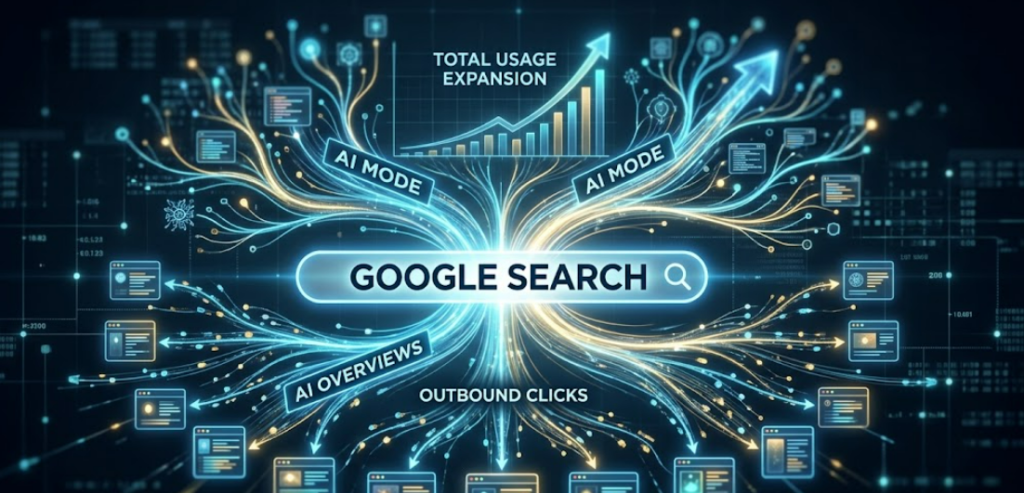
Recent earnings data reveals that new artificial intelligence features, specifically AI Mode and AI Overviews, are actively expanding total search usage rather than shrinking it. Overall and commercial queries have seen year-over-year growth, accelerated by AI experiences that continue to route billions of daily clicks to external websites, signaling a robust and evolving open web ecosystem. As search behaviors undergo a generational shift, enterprise organizations have been cautiously evaluating the potential impact of generative AI on organic traffic flow. The prevailing narrative of click cannibalization is proving inaccurate; instead, we are witnessing an expansion of the search ecosystem. At WP SEO Atlas, our primary objective is to translate these high-level algorithmic shifts into highly effective, technical growth strategies for our clients. Technical Deep Dive: The Data Behind AI Search Expansion Recent Industry Reports confirm that the integration of generative AI into search results is fundamentally changing user engagement metrics for the better. Analyzing the Search Landscape Shift Expanding total search volume: Google confirms that AI features are broadening overall search usage rather than causing click erosion for external publishers and domains. Sustaining outbound click velocity: Google states that these generative AI experiences continue to send billions of clicks to websites daily, highlighting the enduring value of the open web. Accelerating global AI adoption: AI Mode has witnessed rapid growth in global adoption and utilization across multiple languages, indicating its permanent, growing centrality in the modern search experience. Impact on Enterprise WordPress Environments For organizations relying on Google as a primary traffic source, the proliferation of AI Overviews necessitates a highly structured approach to content architecture. It is no longer sufficient to optimize purely for keyword density; domains must optimize for entity extraction and logical parsing. Through our specialized SEO solutions, we assist businesses in re-engineering their digital assets so that LLMs can effortlessly ingest, understand, and cite their content within these new AI summaries. Action Plan: Optimizing for AI-Driven Search To capitalize on the expanded search usage driven by AI Mode, technical teams and content strategists must execute the following framework: Monitor site analytics closely: Track your performance data to identify any definitive changes in traffic patterns or specific query types that are being heavily influenced by AI Overviews. Focus on structured content: Develop high-quality, authoritative, and logically segmented content that artificial intelligence agents can easily parse, extract, and display in their summaries. Develop robust E-E-A-T frameworks: Prioritize an overarching content strategy designed to significantly boost Experience, Expertise, Authoritativeness, and Trustworthiness, maximizing your chances of being cited in AI-powered search results. Read Also: Apple Siri & Google Gemini: The SEO Impact Conclusion The transition toward AI-enhanced search is proving to be an additive force for web traffic rather than a destructive one. By aligning your technical architecture and content strategy with the mechanisms of AI Overviews, you can secure and expand your digital footprint. To future-proof your digital presence, discover more about our methodology on our About Us page, or reach out directly to adapt your strategy. Request Your WP SEO Audit Now → Recommended Resource: Latest Industry Search
Redefining SEO Visibility: How to Measure Success When Traditional Rankings Vanish
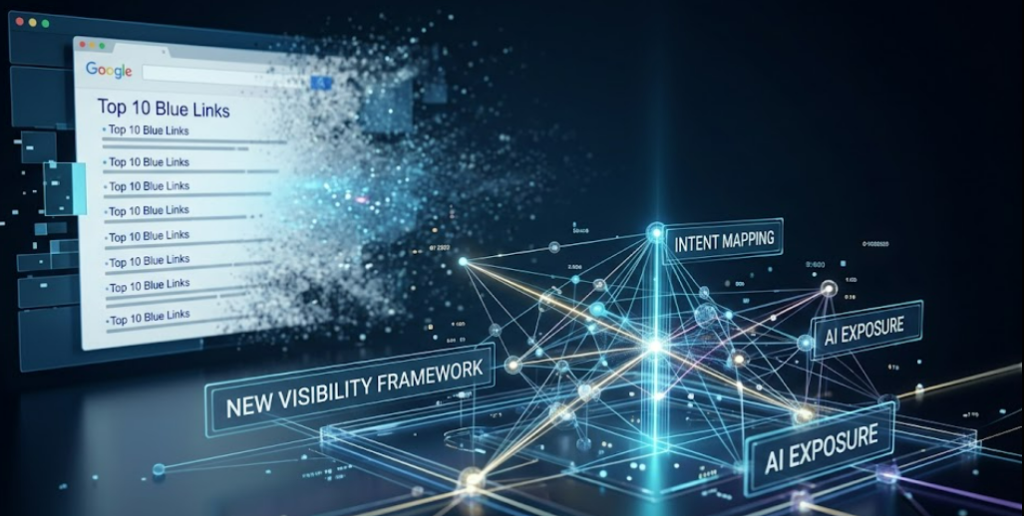
Traditional SEO data is increasingly failing to capture the reality of AI-driven search environments. As direct answers and agentic responses replace the standard list of blue links, businesses must transition from tracking keyword positions to building frameworks that measure meaningful exposure and brand presence within large language model (LLM) outputs. The saturation of generative responses within search engine results pages (SERPs) has created a visibility gap. For B2B organizations, appearing in the top three organic spots no longer guarantees traffic if an AI agent resolves the user’s query before they ever click. At WP SEO Atlas, we recognize that the future of digital dominance lies in understanding how to quantify impact when the traditional “ranking” metric effectively disappears. Technical Deep Dive: Navigating the Post-Ranking Landscape Recent Industry Reports confirm that traditional performance telemetry is insufficient for modern search. The shift toward an answer-based economy requires a fundamental restructuring of how we define and track “visibility.” The Failure of Legacy Metrics Data Silos and Fragmentation: Traditional ranking reports often ignore zero-click environments where your content is used to inform an AI answer without a direct citation link. Exposure-Based Frameworks: We must build new visibility models that measure “meaningful exposure,” which tracks how often a brand is synthesized into the definitive answer provided by a search engine. Advanced Intent Mapping: Using sophisticated intent mapping allows strategists to uncover high-value visibility opportunities where AI is most likely to recommend specific solutions or vendors. Impact on Multi-Platform WordPress Environments For organizations managing complex, multi-platform WordPress ecosystems, this shift demands a more technical approach to site architecture and data structuredness. It is no longer enough to optimize for humans; you must optimize for the parsers and agents that summarize your data. Our tailored SEO services focus on bridging this gap between technical integrity and AI-readiness. Why Multi-Platform Strategy is Evolving Structured Data Dominance: High-impact visibility in AI search is heavily dependent on Schema.org implementation and the logical segmentation of content. Bot Traffic Management: As more “search” happens via bots and LLMs, managing your crawl budget and server resources becomes a primary SEO concern. Content Granularity: Breaking down long-form content into modular, query-responsive sections increases the likelihood of being selected as a primary source for AI-generated summaries. Action Plan: Transitioning to Exposure-Based Tracking To remain competitive as traditional rankings become less relevant, your technical team should prioritize the following adjustments: Audit Current Performance Indicators: Begin evaluating your current SEO metrics to determine their relevance in an answer-based search landscape; identify which legacy KPIs are currently misleading your strategy. Adopt Intent-Centric Modeling: Move away from broad keyword buckets and start mapping content to specific stages of the user journey where AI visibility provides the highest conversion potential. Explore Emerging Telemetry Tools: Investigate new methodologies for tracking brand exposure and citations within generative search engines rather than relying solely on position-based tracking. Read Also: Maximizing Brand Mentions in AI-Driven Search Environments Conclusion The disappearance of traditional rankings is not a threat to SEO, but rather an evolution of the discipline. By focusing on visibility frameworks that account for AI synthesis and user intent, businesses can maintain authority in an increasingly automated web. For more information on our methodology, visit our About Us page or browse our FAQ section for technical support. Request Your WP SEO Audit Now → Recommended Resource: Search Industry News
Decoding Spatial Awareness in LLMs: A Strategic Guide for Enterprises

Anthropic’s research on the Claude 3.5 Haiku model reveals that Large Language Models (LLMs) develop an internal spatial awareness of text, similar to humans, especially when managing line breaks within fixed widths. This study provides crucial insights into how LLMs perceive and structure text during generation, highlighting their sophisticated internal mechanisms for handling content boundaries and logical flow. In the ever-evolving landscape of artificial intelligence, understanding how models “think” is no longer just a technical luxury; it is a strategic necessity. The ability of models to perceive the spatial dimensions of text opens up new horizons for how digital content should be crafted to maximize automated processing capabilities. Technical Deep Dive: How Do Models Perceive Text Boundaries? LLMs possess an internal spatial awareness of text, which directly impacts how they structure and format the content they generate. This awareness is not merely about word order; it is an understanding of the environment in which the text appears, as documented in recent Industry Reports. Internal Processes and Content Flow Understanding Spatial Boundaries: Research shows that models recognize where one line ends and another begins, enhancing the visual and logical formatting of the output. Managing Complex Information: This research provides deeper insights into the sophisticated internal operations of LLMs, particularly regarding how models balance information density with readability and flow. Optimizing for AI Consumption: Understanding LLM text perception helps SEOs and content strategists optimize content formats in alignment with how models process deep information. The Impact of Spatial Awareness on Multi-Platform Architectures For enterprises relying on multi-platform architectures and WordPress, these findings mean it is time to rethink content templates. At WP SEO Atlas, we help our clients align their content infrastructure with these new technical requirements through our comprehensive SEO solutions. Why Should B2B Companies Care? Precision in Content Generation: When models perceive space, they can produce highly accurate and well-formatted tables, lists, and code snippets. Search Engine Alignment: Search engines relying on LLMs for direct answers will prioritize content that is easy for their models to segment and “understand spatially.” Enhanced User Experience: The logical structuring and clean segmentation favored by AI is often the exact same structuring preferred by human readers. Action Plan: Optimizing Content for the Spatial Awareness Era To leverage these technical insights, content managers and strategists should implement the following steps: Evaluate Current Structuring Practices: Assess how paragraphs and headings are used to ensure clarity and logical segmentation, which aids in AI comprehension and processing. Monitor Ongoing AI Research: Continuously track developments from labs like Anthropic to anticipate future implications for content creation, SEO, and how search engines might leverage LLM capabilities. Implement Semantic HTML: Use the correct tags to reinforce the spatial and logical signals for the AI agents and models crawling your site. Read Also: Brand Mentions in AI Search Conclusion The way LLMs perceive text goes beyond just understanding words; it involves understanding the “space” those words occupy. This evolution requires a more refined approach to digital content engineering to ensure your brand remains at the forefront of intelligent search results. You can learn more about our foundational approach on our About Us page, or reach out to our technical team directly via our Contact Us portal. Request Your WP SEO Audit Now → Recommended Resource: Latest Industry Feeds
Managing Google Algorithm Updates: A Blueprint for Stakeholder Communication

When a high-impact Google algorithm update rolls out, protecting your organic performance is only half the battle. The other half is managing stakeholder expectations to prevent knee-jerk reactions. This guide details how to verify traffic drops, maintain a data-driven approach, and keep executive leadership aligned with long-term SEO strategies rather than abandoning them at the first sign of volatility. Algorithm volatility is an inevitable reality of organic search, but it often triggers unnecessary panic in the boardroom. As technical SEO professionals, our immediate responsibility extends beyond auditing server logs and crawl stats; we must translate complex search dynamics into actionable business intelligence. Before abandoning your current trajectory, it is crucial to ground the conversation in objective data, clear communication, and structural analysis. Technical Deep Dive: Diagnosing Traffic Drops When analytics dashboards flash red, reacting without proper diagnostics can severely damage your organic performance. Recent Industry Reports emphasize the danger of hasty optimizations during rollout periods. Verify the root cause immediately before taking any action to ensure the traffic drop is actually algorithm-related and not a localized technical failure. Proactively manage stakeholder expectations regarding organic performance fluctuations, emphasizing that temporary volatility is a standard part of the rollout process. Focus on data-driven execution and long-term search engine optimization strategies rather than deploying quick fixes or reactive tactical pivots. Impact on WordPress Architecture For organizations running enterprise WordPress environments, a Google algorithm update can often highlight underlying technical debt. While stakeholders might automatically blame content quality, the root cause could easily stem from poor Core Web Vitals, heavy plugin loads, or an inefficient crawling taxonomy. To ensure your infrastructure is fully aligned with modern search guidelines, integrating professional SEO solutions will fortify your platform against future updates and keep your technical baseline unshakeable. Bridging the gap between server-level performance and search engine guidelines is the best defense against sudden algorithm shifts. Action Plan: Securing Executive Buy-In To maintain control during a high-impact rollout and protect your organic budget, implement the following operational framework: Develop a rapid response protocol to analyze traffic drops instantly and confirm the true root cause, distinguishing between algorithm shifts and technical bugs. Create a clear communication plan for stakeholders that thoroughly explains the nature of algorithm updates, potential business impacts, and the strategic recovery roadmap. Educate leadership on long-term value and the necessity of continuous SEO investment, ensuring alignment even during periods of intense SERP volatility. Read Also: Navigating Google YMYL & AI Content Risks Conclusion Algorithm updates should refine your SEO strategy, not derail it. By maintaining technical discipline, executing rapid diagnostics, and leading transparent stakeholder communication, WP SEO Atlas ensures you can turn a volatile SERP environment into a competitive advantage. Anchor your decisions in data, and keep leadership focused on the long-term horizon. Request Your WP SEO Audit Now → Recommended Resource: Search Engine Journal RSS Feed
The Rise of Agentic Browsers: Redefining the Digital Marketing Ecosystem

Executive Summary: The rapid integration of Large Language Models (LLMs) into fundamental web software is transforming standard web clients into “agentic browsers” capable of autonomous reasoning and action. This paradigm shift fundamentally alters the traditional SEO optimization surface, dictating a new era where user discovery, decision-making, and purchasing are heavily mediated by embedded AI agents. We are witnessing a structural evolution in how users interact with the web. As detailed in recent Industry Reports, the leap from passive search interfaces to active, task-executing digital assistants represents a monumental disruption. Digital marketers must move beyond conventional keyword strategies and prepare for an ecosystem where artificial intelligence heavily curates and executes the online journey. The Technical Deep Dive: Mechanics of Agentic Browsers The transformation of browsers into intelligent agents shifts the focus from ranking on a static page to becoming the preferred entity retrieved and utilized by an active LLM. This introduces critical changes to the digital landscape: Integration of Core LLMs: Foundation models are rapidly becoming native to standard web browsers, turning them into proactive, intelligent agents rather than passive rendering engines. Transformation of Optimization Surfaces: The traditional SEO battleground is fundamentally changing, moving far beyond standard search results into dynamic, synthesized AI answers and automated actions. Mediation of User Journeys: Digital marketers must prepare for a future where product discovery, complex decision-making, and even transactional purchases are increasingly intermediated by AI agents operating within the browser itself. Impact on WordPress Architectures For businesses operating on WordPress and multi-platform environments, the shift toward agentic browsers demands a rigorous technical overhaul. Content must be structured not just for human readability, but for flawless machine-level comprehension and summarization. This means implementing comprehensive schema markup, ensuring high-speed delivery, and providing unambiguous entity relationships. Engaging with specialized SEO solutions and offerings ensures your WordPress architecture is highly optimized for AI-driven data extraction and agentic interactions, securing your brand’s visibility in an AI-first web. Strategic Action Plan To future-proof your digital marketing strategy against the rise of agentic browsing, technical teams should immediately initiate the following steps: Research Agentic Browser Capabilities thoroughly to understand AI-driven user journeys and accurately anticipate future technical optimization requirements. Evaluate Current Content Strategies to ensure your platforms provide crystal-clear, highly authoritative information that AI agents can effortlessly process, trust, and summarize for the end-user. Read Also: Google AI Agentic Booking Conclusion Agentic browsers are not merely a new feature; they represent a fundamental restructuring of the digital marketing ecosystem. By prioritizing machine-readable architectures and high-authority entity building, B2B organizations can position themselves to thrive and maintain visibility in a highly mediated, AI-driven internet landscape. Recommended Resource Stay ahead of browser evolution and technical SEO shifts by integrating the Search Engine Journal RSS Feed into your daily reading routine. Request Your WP SEO Audit Now →
The Apple and Google Gemini Alliance: Preparing Your Infrastructure for Next-Gen Voice Search
Executive Summary: Apple is preparing to significantly overhaul its Siri voice assistant by integrating a custom Google Gemini AI model. This infrastructure shift aims to enhance query planning and summarization capabilities while operating securely on Apple’s Private Cloud Compute. The strategic decision to leverage Google Gemini highlights a massive shift in how AI ecosystems are forming to dominate future voice search algorithms. According to recent Industry Reports, the technological landscape of voice assistants is undergoing a fundamental transformation. As digital search behaviors evolve, relying on conventional text-based optimization is no longer sufficient. This integration signifies a major leap toward highly contextual, intent-driven AI interactions where the quality of your website’s data structure determines your brand’s visibility. Technical Deep Dive: Siri, Gemini, and the Future of Search The convergence of mobile operating systems and generative AI models alters the search visibility paradigm. Here is what this technical pivot means for digital strategists and technical leads: Commitment to advanced AI capabilities shows that Apple is aggressively pursuing a more sophisticated, context-aware future for voice-assisted interactions. Google Gemini models gaining momentum positions Google as the definitive infrastructural player in both conventional search and conversational AI processing. Reshaping user information interaction means that highly sophisticated AI will prioritize concise, direct answers over traditional search engine result pages (SERPs). Impact on WordPress and Multi-Platform Environments For enterprise websites running on WordPress and multi-platform architectures, this shift demands immediate architectural consideration. Voice assistants powered by Gemini will bypass slow-loading, poorly structured sites. Your content architecture must be optimized for zero-click queries and AI summarization. To stay competitive in this evolving ecosystem, aligning your technical infrastructure with our comprehensive SEO services and solutions ensures your data remains accessible and readable to next-generation AI crawlers. Read Also: How Brand Mentions Shape AI Search Results Strategic Action Plan To prepare your digital assets for AI-driven voice search engines, implement the following operational strategies today: Monitor AI voice assistant developments and rigorously track their potential impact on user search behavior and overall information consumption. Explore new content optimization strategies focused on providing concise, direct answers that can be easily parsed by AI overviews and voice interfaces. Stay informed on Google Gemini and other leading artificial intelligence models to proactively anticipate future shifts in search and content delivery. Conclusion The integration of Google Gemini into Apple’s ecosystem is not just an operational update; it is a clear signal that voice search and AI summarization will soon dominate digital queries. Brands that adapt their technical SEO and content strategies now will capture the lion’s share of conversational search traffic tomorrow. Request Your WP SEO Audit Now → Recommended Industry Resource: Search Engine Journal Technical Feed
Strategic Implications of ChatGPT Go: Scaling B2B Content Operations

Executive Summary: The global rollout of ChatGPT Go introduces discounted access to premium AI capabilities, including GPT-5, expanded file uploads, and advanced image generation, across 98 countries. This expansion democratizes high-tier AI tools, presenting a massive opportunity for digital marketers to scale their multi-platform operations, enhance technical keyword research, and execute sophisticated digital marketing strategies without enterprise-level overhead. The landscape of artificial intelligence in digital marketing is rapidly shifting toward broader, more cost-effective accessibility. According to recent Industry Reports, the strategic deployment of a highly capable yet heavily discounted AI tier fundamentally changes how global teams handle complex digital workflows. For technical SEO strategists and B2B marketers, understanding how to leverage these newly available multi-platform capabilities is critical for scaling output while maintaining a competitive edge. Technical Deep Dive: Maximizing the New AI Feature Set The introduction of a lower-barrier entry point to advanced AI models significantly alters the technical marketing landscape. The core features now available to a broader demographic offer substantial operational enhancements: Discounted Access to GPT-5: Unlocking state-of-the-art language models allows for highly nuanced content generation, complex data parsing, and superior natural language processing tasks at scale. Global Expansion Opens Markets: Reaching 98 new countries empowers localized digital marketing teams and global content creators to leverage top-tier AI tools for regional SEO campaigns. Enhanced Digital Marketing Workflows: The combination of larger context windows and image generation natively streamlines the pipeline for comprehensive keyword research, ideation, and multi-format content production. Impact on WordPress Content Architecture For B2B entities operating on WordPress, the ability to generate high volumes of optimized content and media must be balanced with technical site health. While tools like ChatGPT Go accelerate production, raw AI outputs require strategic structuring to perform well in search engine results pages (SERPs). Integrating these AI workflows with professional SEO solutions and offerings ensures that your high-velocity content generation aligns perfectly with structural SEO best practices, schema markup requirements, and off-page syndication strategies. Action Plan for AI Integration To safely and effectively incorporate these newly expanded AI capabilities into your technical marketing operations, follow these structured steps: Evaluate your current workflows to identify bottlenecks in content creation, keyword clustering, and ideation where ChatGPT Go can immediately improve operational efficiency and quality. Explore advanced GPT-5 features and native image generation capabilities to produce highly engaging, diverse multimedia content that strictly aligns with your overarching SEO objectives. Monitor search engine guidelines continuously regarding AI-generated content to ensure that your scaled production adheres strictly to helpful content algorithms and industry best practices. Read Also: Google YMYL & AI Content Risks: What You Need to Know Conclusion The widespread availability of ChatGPT Go marks a significant turning point in resource allocation for digital marketing teams. By carefully integrating these advanced, accessible tools into a disciplined SEO strategy, organizations can drastically scale their content operations while maintaining the high standards required for B2B search dominance. Recommended Resource For continuous updates on technical SEO trends and AI search developments, consider following the Search Engine Journal RSS Feed. Request Your WP SEO Audit Now →
Navigating the Shift: Top LinkedIn Alternatives for Professional Networking

Executive Summary: The professional networking landscape is undergoing a massive shift. Driven by an influx of AI-generated content, relentless self-promotional noise, and algorithm updates heavily skewed toward paid advertising, B2B professionals are experiencing diminishing returns on legacy platforms. Diversifying your digital marketing networking strategy is no longer optional; it is a critical requirement for sustaining thought leadership and uncovering new opportunities. The era of relying on a single platform for B2B relationship building is coming to an end. Recent Industry Reports highlight a growing frustration among digital professionals regarding the declining organic reach and overall user experience on traditional networks like LinkedIn. As the noise-to-signal ratio worsens, technical strategists and thought leaders must pivot toward targeted communities and alternative platforms to foster genuine professional connections and drive brand authority. The Technical Deep Dive: Why Diversification is Critical The core issues surrounding legacy networking platforms are inherently algorithmic and content-based, directly reducing the efficacy of professional outreach. Identifying and transitioning to alternative professional networking platforms has become a mandatory maneuver for maintaining visibility and thought leadership. Algorithmic Ad Prioritization Suppresses Reach: Platform updates increasingly favor sponsored content, throttling the organic reach of authentic professional insights and peer-to-peer discussions. AI Content Saturation Dilutes Quality: The overwhelming volume of automated, low-effort posts makes it incredibly difficult for genuine thought leadership and technical expertise to stand out. Strategic Diversification Becomes an Imperative: Relying entirely on a single ecosystem introduces critical vulnerabilities into your social media strategy; multiple options exist outside legacy networks to expand your professional footprint. Impact on WordPress Brand Building For businesses operating on WordPress architectures, off-page signals, authoritative backlinks, and brand mentions are vital for search engine dominance. When your primary networking channel loses its organic efficacy, your off-page SEO strategy inevitably suffers. Integrating your diversified networking efforts with professional SEO solutions and offerings ensures that your off-page brand mentions and community engagements translate directly into measurable organic growth and improved domain authority for your WordPress property. Strategic Action Plan for Network Diversification To mitigate the risks of algorithmic suppression and maintain a robust professional network, implement the following steps: Evaluate Alternative Networking Platforms meticulously to identify high-value opportunities for brand building, targeted content distribution, and acquiring authoritative backlinks. Develop a Diversified Social Strategy that accounts for the specific strengths, weaknesses, and technical constraints of various platforms beyond legacy channels. Monitor Engagement and Audience Demographics continuously on your current professional channels to dynamically adapt your approach as platform algorithms and user behaviors evolve. Read Also: The GEO Debate: AI Search & Brand Building Conclusion Adapting to the fracturing landscape of professional networking requires a proactive, multi-channel approach. By stepping away from the noise of over-saturated platforms and strategically engaging in niche alternatives, B2B professionals can reclaim their organic reach, foster meaningful connections, and solidify their thought leadership. Recommended Resource For continuous updates on digital marketing strategy, platform shifts, and search trends, consider subscribing to the Search Engine Journal RSS Feed. Request Your WP SEO Audit Now →
How Digital PR and Brand Mentions Drive Google AI Recommendations
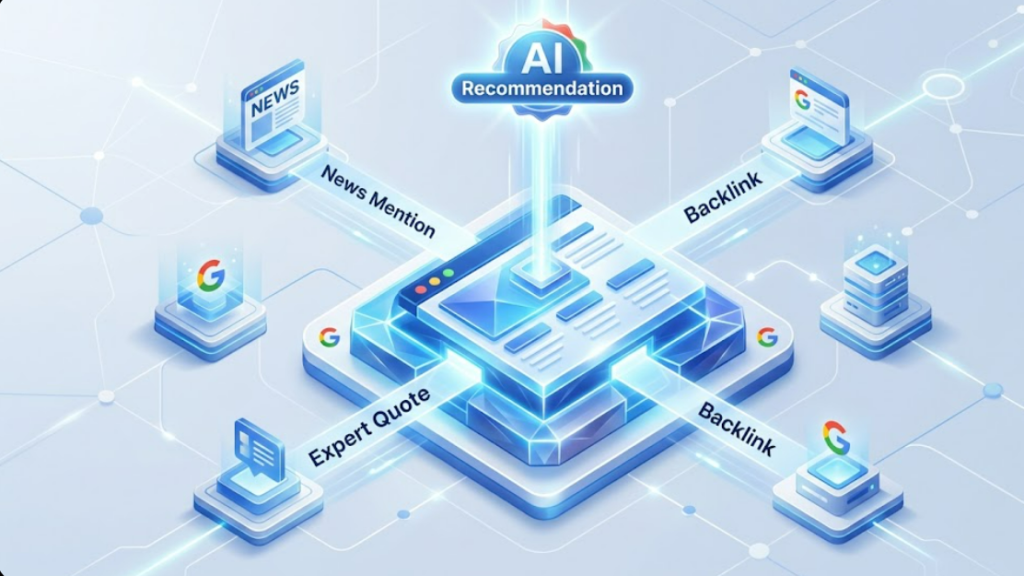
Executive Summary: Google Search leadership has confirmed that Digital PR activities, specifically third-party brand mentions, are critical for securing visibility in AI-driven search recommendations. Because AI search engines aggregate data similarly to human research patterns, maintaining high-quality, user-centric content alongside a strong external brand footprint is essential for modern search dominance. The landscape of enterprise search is rapidly shifting from traditional keyword matching to generative, entity-based AI recommendations. To secure your position in this evolving ecosystem, digital PR can no longer be an afterthought. Bridging the gap between technical infrastructure and off-page authority requires a robust approach. By leveraging our specialized SEO solutions, B2B organizations can proactively build the authoritative brand footprint required to trigger positive AI search recommendations and capture high-intent traffic. Technical Deep Dive: How AI Processes External Signals Recent insights into search generative experiences reveal a fundamental shift in how Google processes off-page signals. According to recent Industry Reports, the emphasis is heavily placed on contextual relevance and widespread brand authority. Digital PR activities directly influence the likelihood of your website being cited by AI search models. Third-party brand mentions act as critical validation points, signaling trust and prominence to AI recommendation algorithms. AI search models behave similarly to human researchers, scanning the broader web for consensus, trusted sources, and authoritative answers. User-centric content creation remains the foundational pillar; AI prioritizes highly relevant, high-quality content that directly addresses user intent. Impact on WordPress Environments For enterprise WordPress environments, technical perfection must align with off-page authority. AI crawlers are highly sensitive to how information is structured and corroborated across the web. While a lightweight, technically sound WordPress architecture ensures your content is indexed efficiently, it is the external mentions and Digital PR campaigns that teach the AI why your site should be recommended over a competitor. If your WordPress site lacks off-page corroboration, even the most optimized content may fail to surface in AI-generated summaries. Strategic Action Plan To capitalize on this shift in Google Search AI, technical and marketing teams must unify their strategies. Implement the following steps to optimize for AI recommendations: Integrating Digital PR strategies seamlessly into your broader SEO frameworks to systematically earn high-value mentions and contextual links. Focusing on high-quality content that naturally attracts organic citations from industry-leading publications and authoritative domains. Educating internal content teams on the critical role of external brand mentions and entity optimization for AI visibility. Read Also: How Brand Mentions Shape AI Search Visibility Conclusion AI recommendations are rewriting the rules of user acquisition. Treating Digital PR and technical SEO as siloed departments will limit your visibility in next-generation search results. By prioritizing entity authority, securing powerful brand mentions, and aligning your content strategy with AI search behavior, you position your brand as the definitive answer in your industry. If you are ready to future-proof your digital presence, we invite you to explore our comprehensive approach by booking a consultation with our technical strategists. Request Your WP SEO Audit Now →
Operationalizing Thought Leadership: Systems to Prevent Founder Burnout

Founder-led content strategies often fail due to executive burnout and severe time constraints. Building structured operational systems is critical to consistently broadcast a founder’s voice, transforming intermittent social media efforts into a sustainable, high-performing B2B pipeline engine without sacrificing the founder’s bandwidth. In the competitive B2B landscape, a founder’s unique perspective is a high-value asset, particularly on professional networks like LinkedIn. However, scaling this voice without burning out the key executive requires more than just good intentions; it demands rigorous operationalization and technical content systems. Recent Industry Reports emphasize the necessity of transitioning from ad-hoc posting to building a sustainable, systemized thought leadership engine that continuously drives engagement. Technical Deep Dive: The Mechanics of Sustainable Thought Leadership Relying on a founder’s spontaneous inspiration is a high-risk strategy. To build genuine authority, content creation must be treated as a precise operational pipeline. Here is an analysis of why systems must replace sporadic efforts: Founder burnout causes failure: Ad-hoc content strategies spearheaded by founders inevitably collapse under the weight of daily operational demands and executive fatigue. Consistency drives algorithmic trust: Maintaining a steady cadence—such as a baseline of nine strategic posts annually on LinkedIn—is fundamentally critical for building audience trust and satisfying platform algorithms. Operational systems ensure longevity: Establishing robust, systematic workflows is the only viable method to sustain thought leadership and extract long-term ROI. Impact on Social Media and WordPress Ecosystems For B2B brands utilizing WordPress as their central digital hub, syndicating founder insights across social media requires seamless integration. Your website should act as the authoritative repository for long-form thought leadership, which is then systematically atomized for distribution on platforms like LinkedIn. Ensuring your digital infrastructure supports this content lifecycle is vital. Through our comprehensive SEO solutions, we help you align your technical website architecture with your multi-platform distribution strategies, maximizing the reach of your founder’s voice while maintaining clean, indexable pathways back to your core assets. Strategic Action Plan for Content Systems To secure your brand’s authority and protect your leadership’s time, implement the following operational directives: Develop structured content workflows: Systematize the extraction and distribution of the founder’s insights to support thought leadership efficiently. Audit current content bottlenecks: Ruthlessly review the founder’s existing content initiatives to identify friction points and time-wasters, streamlining the entire production pipeline. Leverage platform native analytics: Utilize social media analytics, particularly on LinkedIn, to track engagement velocity and adjust content systems for maximum long-term consistency. Read Also: GEO Tools Debate: AI Search vs Brand Building Conclusion Thought leadership should not be a burden that eventually leads to founder burnout. By shifting from an ad-hoc approach to a highly operationalized system, organizations can leverage their most authoritative voices to build trust, satisfy algorithmic demands, and drive consistent pipeline growth. Recommended Resource: Stay updated on strategic content distribution and technical workflows via the Search Engine Journal Feed. Request Your WP SEO Audit Now →