


A recent shift in the SEO landscape highlights a critical reality: visibility in AI search models like ChatGPT, Claude, and Perplexity depends heavily on fundamental brand building, high-quality content, and established authority, rather than isolated ‘AI optimization’ strategies. The recent closure of a dedicated GEO platform underscores that traditional digital assets remain the core driver of AI visibility.
As the search ecosystem evolves with the integration of Large Language Models (LLMs), technical marketers are re-evaluating their resource allocation. Recent insights from Industry Reports reveal a growing consensus: specialized Generative Engine Optimization (GEO) tools may not be strictly necessary for most brands. Instead, the data feeding these AI engines is fundamentally tied to the same high-quality content that drives traditional search performance.
Technical Deep Dive: The Mechanics of AI Visibility
Understanding how AI models retrieve and synthesize information is crucial for modern digital strategy. Here is a breakdown of the core dynamics governing AI search representation:
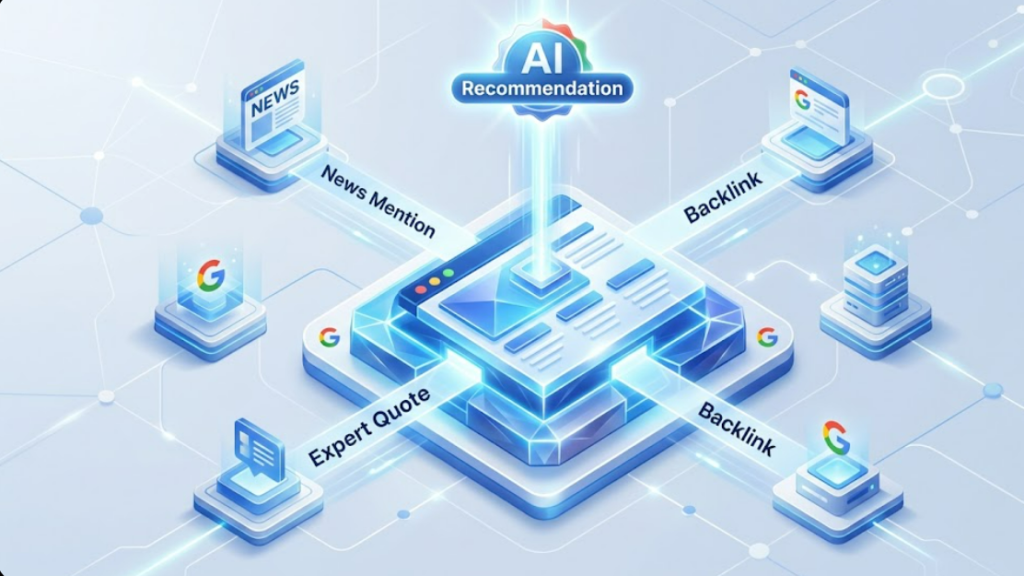
- Brand Building is the Foundation: Visibility in AI search relies primarily on strong brand presence and genuine expertise, overriding fragmented AI-specific optimization tactics.
- GEO Tools May Be Redundant: Specialized platforms for Generative Engine Optimization often provide data that does not fundamentally alter core tactics, making them unnecessary for most operations.
- AI Models Train on Content: The algorithms powering LLMs process the exact same content that builds your brand equity elsewhere, reinforcing the need to invest in foundational digital assets.
To navigate these algorithmic shifts efficiently, partnering with a robust technical team is essential. Our comprehensive SEO solutions are designed to fortify your digital infrastructure, ensuring your brand signals are processed correctly by both traditional crawlers and modern AI agents.
Impact on Multi-Platform Environments
For organizations operating across multiple platforms, this shift simplifies the optimization roadmap. You do not need to deploy distinct ‘AI visibility’ scripts or completely re-architect your content taxonomy for LLMs. Instead, the focus should remain on technical excellence: site speed, structured data, clean code, and authoritative content publication. AI bots crawl and index your multi-platform environments just like traditional search bots—they reward clarity, technical health, and verifiable authority.
Strategic Action Plan
To ensure your enterprise remains visible in an AI-driven search landscape, implement the following directives:
- Re-evaluate specialized AI investments: Assess the true necessity of dedicated GEO tools and redirect those resources toward strengthening foundational brand building.
- Produce high-quality, authoritative content: Consistently publish reliable material that demonstrates genuine expertise to secure visibility across all search models.
- Prioritize entity recognition strategies: Ensure your brand is clearly defined across the web through consistent data, digital PR, and strong technical foundations.
Read Also: How Brand Mentions Influence AI Search Visibility
Conclusion
The debate over Generative Engine Optimization ultimately brings us back to SEO fundamentals. AI search engines are sophisticated pattern matchers seeking the most reliable, authoritative sources. By focusing on your core brand equity and maintaining an impeccable technical infrastructure, you naturally optimize for the next generation of search without needing reactive, specialized toolsets.
Recommended Resource: Keep up with the latest algorithmic shifts and technical SEO news via the Search Engine Journal Feed.